A Sewer Scope Inspection Before a Home Sale Uncovers a Backup the Sellers Didn’t Know About in Gastonia, NC
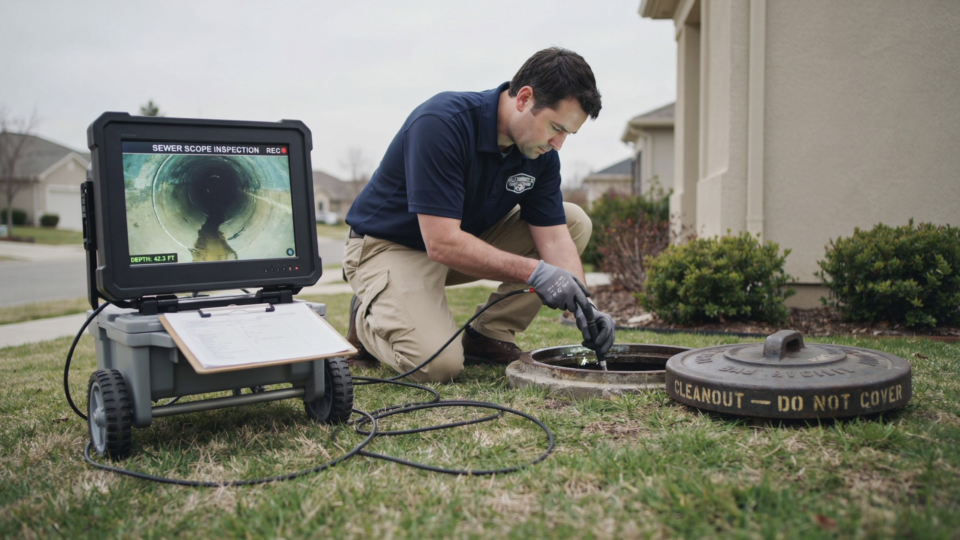
Karen was two weeks from closing on a house in central Gastonia when her agent suggested a sewer scope inspection. It was something separate from the standard home inspection she’d already paid for. She almost skipped it. The general inspector hadn’t flagged anything, and the sellers seemed straightforward about their disclosures. The house, a brick ranch with mature landscaping and the original cast iron fixtures still working fine, was in good shape everywhere else she looked. She booked the scope anyway, mostly out of caution. Her agent had mentioned two recent Gastonia closings that got held up by exactly this kind of inspection.
Why a Standard Inspection Doesn’t Cover This
A general home inspection checks visible plumbing, water pressure, and obvious signs of leaks. It doesn’t typically include running a camera through the underground sewer lateral. That line runs from the house to the street connection, often forty feet or more. Problems there can sit completely hidden until someone actually looks. It’s a distinction more buyers are learning to ask about. That’s exactly why a growing number of Gastonia purchase contracts now include a specific request for a sewer scope before closing.
Standard inspectors run water through every fixture and watch how quickly it drains. A slow drain at the fixture doesn’t necessarily show up when there’s only a partial blockage forty-some feet downstream. The house can drain acceptably during a fifteen-minute walkthrough and still be sitting on a line that’s one heavy flush away from backing up. That gap is the whole reason a sewer scope exists as its own service rather than a line item on the standard checklist.
What the Camera Found
The technician who came out for Karen’s inspection worked the camera down through the cleanout at the edge of the yard. He stopped it around 46 feet out, where the footage showed standing water and debris backed up against what looked like a partial blockage. It wasn’t a full collapse and it wasn’t dramatic, but it was clearly an active problem. It wasn’t old scarring from something long since fixed. The visit, including the full camera run and the write-up, cost $390. Karen had scheduled it for a Thursday afternoon. She worried there might not be enough runway left before closing otherwise.
The technician fed the camera in slowly, calling out distance markers as he went. He checked the picture every few feet against a handheld locator he ran along the surface of the yard. That device tracks the camera head’s exact position underground, so anything found on screen can be marked precisely on the ground later. That’s part of what makes a sewer scope useful beyond a simple yes-or-no answer about whether a blockage exists. It also tells a buyer exactly where a problem sits. He said the pipe material as he went too. The transition between an older clay section near the house and a newer section further out is a common spot for offset joints and root intrusion. He confirmed a small amount of both near where the debris had collected.
Confirming It Wasn’t Something the Sellers Already Knew
This is often the part buyers worry about most: was this hidden on purpose? In Karen’s case, the answer appeared to be no. The plumber walked her through the footage and explained the type of blockage he was looking at: likely a combination of grease buildup and minor root intrusion. That kind of blockage tends to develop gradually, and it wouldn’t necessarily show up as a backup the sellers would have noticed from inside the house. That’s the kind of detail worth understanding before assuming bad faith on anyone’s part when researching a sewer backup found during a home inspection. Plenty of these issues develop below ground with no visible symptoms upstairs until they’re much further along.
Getting It Documented Before Closing
What mattered most to Karen at that point wasn’t just fixing the pipe. It was having something concrete to bring back to the negotiating table. The plumber provided time-stamped photos from the camera run along with a written summary of the distance and severity of the blockage. Karen used that documentation to renegotiate a credit toward the repair before closing moved forward. She mentioned afterward that having actual photos in hand was what made her comfortable moving ahead with the purchase at all. She could keep the photos in her own files regardless of how the negotiation went. It wasn’t a verbal description of what the camera had shown that reassured her. It was a set of timestamped images sitting in a folder with the rest of her closing paperwork.
A Note for Sellers in Similar Situations
Karen’s closing worked out because the documentation was clear and there was still time to negotiate. Sellers can avoid that scramble entirely by having a sewer scope done before listing. A camera run costs a small fraction of what a delayed closing costs in lost momentum. It also lets sellers address a problem on their own timeline instead of negotiating under a deadline. In neighborhoods like Karen’s, where much of the lateral piping dates to the same era, that’s a step worth considering.
What to Ask For Before You Close
Anyone buying a home with an older sewer lateral, particularly one built before the 1980s, should ask specifically for a sewer scope. Don’t assume it’s covered under a general inspection. It’s a relatively small cost against the size of a home purchase. It turns an unknown into something that can actually be negotiated. If the scope turns up anything questionable, it’s also worth having the same technician check for a related leak inspection nearby. Underground problems in one system sometimes point to wear in another.
A sewer scope before closing gives you real information instead of a guess. It’s easier to get peace of mind now than to discover a problem after the sale is final.