Emergency Plumbing Service in Charlotte, NC
Water Heater Problems
No hot water is one of those problems that makes everything else in the day stop. Whether it happened gradually — the water getting lukewarm before it used to — or suddenly, with cold water coming out of a tap that should be hot, water heater problems in Charlotte, NC need attention quickly. This page covers the most common water heater issues homeowners in the Charlotte area face, what causes them, and when to call for service.
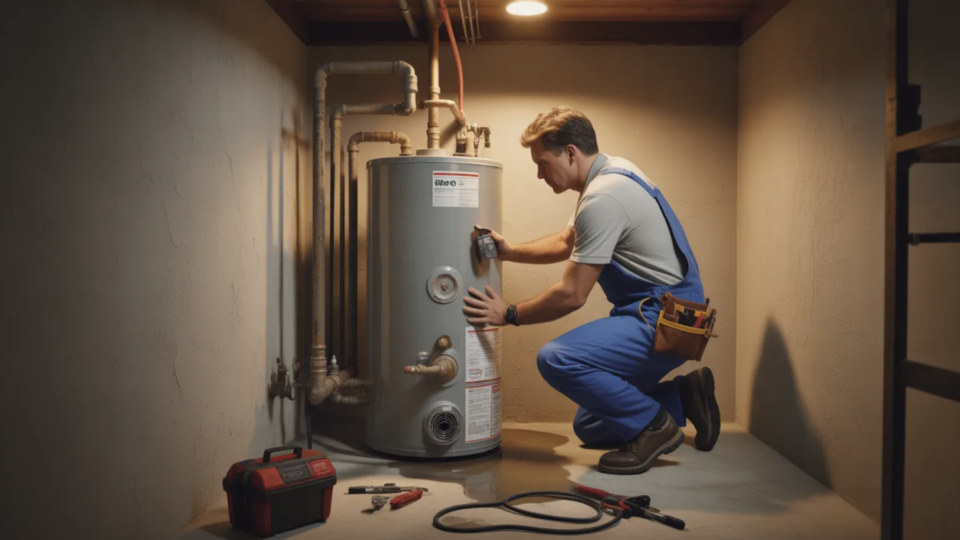
Expert water heater repair in Charlotte, NC for no hot water, leaks, and system failures. We service both tank and tankless units with fast response.
How Charlotte’s Water Affects Water Heaters
Water quality plays a significant role in how long a water heater lasts and how often it needs service. Charlotte’s water supply, managed by Charlotte Water, is moderately hard — meaning it contains dissolved minerals, primarily calcium and magnesium.
Over time, these minerals precipitate out of the water and settle at the bottom of a tank water heater as sediment. This sediment layer does several things, none of them good. It acts as insulation between the burner and the water, forcing the heater to work harder and longer to reach temperature. It causes the popping and rumbling sounds that many Charlotte homeowners notice coming from their water heater. And it accelerates corrosion inside the tank, shortening the heater’s lifespan.
A water heater in Charlotte that is never flushed will accumulate sediment faster than one in a region with softer water. Annual flushing extends tank life significantly — but most homeowners never do it, which is one reason water heater calls are so common here.
How Long Should a Water Heater Last in Charlotte, NC?
Average lifespan depends on the type of heater and how well it has been maintained:
- Tank water heater (gas or electric): 8–12 years with average maintenance
- Tankless water heater (gas or electric): 15–20 years
- Heat pump water heater: 10–15 years
Charlotte’s moderately hard water shortens tank heater life on the lower end of these ranges for units that have never been flushed or had the anode rod replaced. A 10-year-old tank heater in Charlotte that has never been serviced is living on borrowed time — even if it is still working.
If your water heater is more than 10 years old and showing any of the signs listed below, repair costs need to be weighed against the cost and reliability of replacement.
Common Water Heater Problems in Charlotte Homes
No hot water at all
The most urgent symptom. On a gas heater, the pilot light may have gone out, the thermocouple may have failed, or the gas valve may not be opening. On an electric heater, one or both heating elements may have burned out, or the circuit breaker may have tripped. In some cases — particularly with older tanks — the unit has simply reached the end of its useful life.
Water is lukewarm but not hot
On a gas heater, a partially functioning burner or a thermostat set too low is the usual cause. On an electric tank heater, this often means the upper heating element has failed — the lower element is keeping water warm but not getting it fully hot. Heavy sediment buildup can also cause this by reducing the effective heating capacity of the tank.
Hot water runs out too quickly
If a household is running out of hot water faster than it used to, sediment buildup is often the cause — it reduces the effective volume of hot water the tank can hold. A failing lower heating element on an electric heater produces the same symptom. In some cases the household’s hot water demand has simply grown beyond what the current tank size can support.
Popping, rumbling, or banging sounds
This is almost always sediment. As water trapped beneath the sediment layer heats and forces its way through, it creates the rumbling and popping sounds many Charlotte homeowners describe. The noise itself does not mean the heater is about to fail, but it does mean sediment has built up to a significant level and the heater is working harder than it should. Flushing the tank addresses this — if done before corrosion has progressed too far.
Water smells like rotten eggs
A sulfur smell in hot water is caused by a reaction between the anode rod — a sacrificial magnesium or aluminum rod inside the tank that protects against corrosion — and certain bacteria present in the water supply. Replacing the anode rod with an aluminum-zinc rod typically resolves the problem. This is one of the more commonly overlooked maintenance items on tank water heaters.
Water leaking from the tank
A leak from the tank body itself — not from a fitting or connection — almost always means the tank has corroded through internally. This is not repairable. A leaking tank needs to be replaced before it fails completely and floods the area around it. Leaks from the pressure relief valve (the valve on the side of the tank with a pipe running down toward the floor) may indicate excess pressure in the system or a failing valve — both require immediate attention.
Discolored or rusty hot water
Rust-colored hot water typically means the inside of the tank is corroding. If the anode rod has been depleted and not replaced, the tank itself begins to corrode. This is a sign the tank is nearing the end of its life. If only the hot water is discolored — not the cold — the source is the water heater.
Repair vs. Replace — How to Decide
This is the most common question homeowners ask when a water heater fails. A few guidelines:
- If the heater is under 6 years old, repair almost always makes sense unless the tank itself is leaking.
- If the heater is 6–10 years old, compare the cost of repair to the cost of replacement. A repair that costs more than 50% of a new unit’s price is usually not worth it at this stage.
- If the heater is over 10 years old, replacement is usually the better investment — especially in Charlotte where sediment buildup accelerates wear. Even a successful repair leaves you with an aging unit that is likely to develop another problem within a year or two.
A leaking tank is always a replacement, regardless of age.
Tank vs. Tankless — Is an Upgrade Worth It?
Many Charlotte homeowners ask about switching to a tankless water heater when their tank unit fails. Here is an honest comparison:
Tank water heater — lower upfront cost ($800–$1,500 installed), familiar technology, simpler repairs. Keeps a stored supply of hot water ready. Energy is lost keeping that stored water hot even when not in use (standby heat loss).
Tankless water heater — higher upfront cost ($1,500–$3,500 installed for gas, more for whole-home electric), heats water on demand so there is no standby heat loss, longer lifespan (15–20 years), and endless hot water supply. Requires adequate gas line capacity or electrical service. In Charlotte’s climate, tankless units perform well year-round since incoming water temperatures do not drop as low as in colder regions.
For most Charlotte households replacing a failed tank heater, a new tank unit is the faster and more affordable solution. For homeowners planning ahead or doing a renovation, tankless is worth a closer look.
How Much Does Water Heater Service Cost in Charlotte, NC?
- Thermocouple replacement (gas heater): $150–$250
- Heating element replacement (electric heater): $150–$300
- Anode rod replacement: $150–$250
- Sediment flush: $100–$200
- Pressure relief valve replacement: $150–$250
- Tank water heater replacement (installed): $800–$1,500
- Tankless water heater replacement (installed, gas): $1,500–$3,500
Prices vary depending on unit size, fuel type, access, and whether additional work (gas line, electrical panel upgrade) is needed.
Serving Charlotte, NC and Surrounding Areas
We provide water heater repair and replacement service in Charlotte, NC and nearby communities including Matthews, Huntersville, Pineville, Concord, Gastonia, Mint Hill, Mooresville, Rock Hill, Fort Mill, and Indian Land. Same-day service is available for water heater emergencies throughout the Charlotte metro area.
Frequently Asked Questions
My water heater is making a loud rumbling noise. Is it about to fail?
Not necessarily, but it is a warning sign. The noise is almost always caused by sediment buildup. Have the tank flushed and inspected — if the tank is in reasonable condition, flushing can restore normal operation and extend its life.
My pilot light keeps going out. What causes that?
A thermocouple that is failing is the most common cause. The thermocouple is a safety device that detects whether the pilot is lit and keeps the gas valve open. When it weakens, it shuts the gas off even when the pilot is burning. Thermocouple replacement is a straightforward repair.
How do I know if my water heater is leaking from the tank vs. a fitting?
Check the connections at the top of the unit — inlet and outlet pipes — and the pressure relief valve. Moisture at those points is often a fitting issue that can be repaired. Moisture pooling at the base of the tank that cannot be traced to a fitting or the relief valve drain usually means the tank itself is corroding through.
Can I flush my own water heater?
Yes, with the right steps — shut off the gas or power, connect a hose to the drain valve, and flush until the water runs clear. However, on heaters that have never been flushed, the drain valve is often corroded and may not close properly afterward. If the heater is more than 5 years old and has never been flushed, having a technician do it is the safer approach.
Is it normal to run out of hot water faster in winter?
Yes. Incoming cold water is cooler in winter, which means the heater has to work harder to bring it up to temperature. A tank that was keeping up in summer may struggle in January. If this is a recurring issue, the heater may be undersized for the household’s demand or may have sediment reducing its effective capacity.
Do you service both gas and electric water heaters?
Yes. We service gas, electric, and tankless water heaters throughout Charlotte, NC and surrounding areas.
Water heater not working in Charlotte, NC? Call +1 (833) 865-1777 or use the Request Emergency Service form. Same-day service available.
More Services
Explore More Emergency Plumbing Services in Charlotte, NC and Surrounding Areas
Browse other common emergency plumbing issues homeowners in Charlotte, NC and surrounding areas may need help with.
Burst Pipe Repair
Fast dispatch for active leaks, burst pipe emergencies, and water damage concerns.
Drain Cleaning
Kitchen, bathroom, and main line drain issues handled with rapid local response.
Overflowing Toilet
Urgent toilet backup and overflow issues handled before they cause more damage.
Sewer Line Backup
Fast response for sewage backup warning signs, foul odors, and major drain blockages.
Emergency Leak Detection
Hidden leaks, ceiling water spots, and sudden pressure loss routed to local help quickly.
Clogged Garbage Disposal
Jammed garbage disposals, backed-up kitchen sinks, and grinding issues handled with fast local help.
Slab Leak Repair
Warm floor spots, unexplained water use, and hidden pipe leaks under the slab checked quickly.
Main Water Line Leak
Sudden pressure loss, soggy yard areas, and urgent water line leaks routed for rapid response.