No Hot Water Before Work: Water Heater Failure
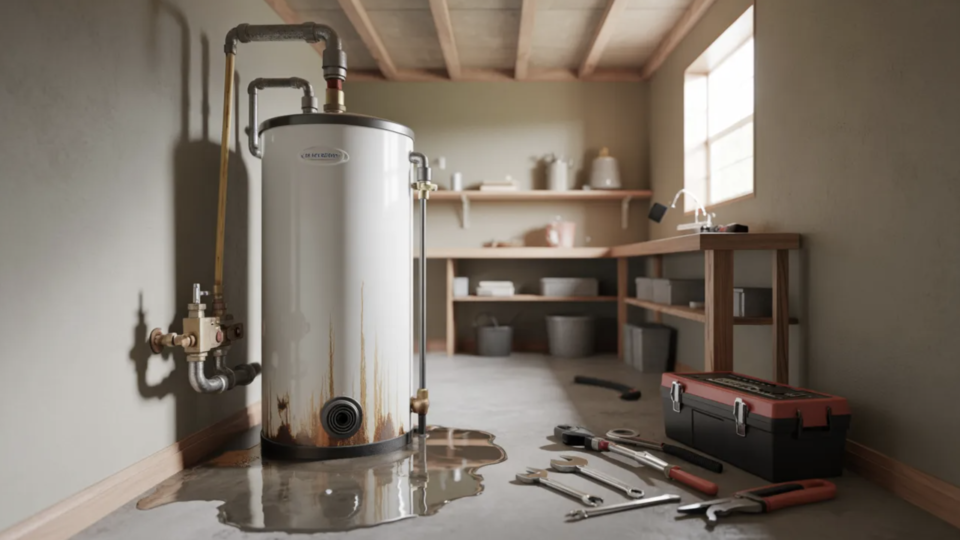
No hot water can disrupt the whole day. This Charlotte plumbing case shows how a sudden water heater failure was diagnosed and resolved quickly.
It happened at the worst possible time — early in the morning, right before work. The homeowner turned on the shower expecting warm water, but instead got a blast of cold. At first, it felt like a temporary issue. Sometimes water heaters take a minute. But after waiting… nothing changed. The water stayed cold.
What Was Actually Going On
The night before, everything seemed fine. No strange noises, no leaks, no warning signs. That’s what makes water heater problems tricky — they often fail suddenly.
In this case, the issue turned out to be inside the unit itself. Depending on the system, that can mean a failed heating element (in electric heaters), a thermostat problem, or an issue with the burner in a gas unit. When technicians arrived, the first step was to check the basics: power supply, breaker panel, thermostat response, and whether the unit was even trying to heat water.
The Diagnosis
After testing the system, it became clear that the heater wasn’t producing heat at all. The unit was not new, and some of its internal components had already reached the end of their typical lifespan.
At that point, there were two realistic options: repair the specific failed part or replace the entire unit. This decision usually depends on age and condition. If a water heater is already 8–10 years old, even a successful repair may only be a short-term fix.
How the Problem Was Solved
The homeowner was given a clear explanation of the situation and the available options. The priority was simple — restore hot water as quickly as possible, but not in a way that would create another breakdown in a few weeks.
After the necessary work was completed (repair or replacement, depending on the exact condition), the system was tested thoroughly. Hot water was run through multiple fixtures — showers, sinks, kitchen — to make sure the temperature was stable and consistent.
What Changed After
Once everything was back up and running, the difference was immediate. Showers were normal again, kitchen use was back to routine, and there was no more guesswork about whether hot water would be available. Just as important, the homeowner now understood the condition of the system and what to expect going forward.
What This Situation Teaches
Water heaters rarely fail at a convenient time, and often without much warning. But in many cases, there are early signs people ignore — slightly inconsistent water temperature, occasional lukewarm water, small leaks near the base of the tank, or popping and rumbling sounds inside the unit. These are not just “minor quirks” — they are signals.
The key takeaway is simple: if your hot water suddenly disappears, don’t wait. What might be a small repair today can turn into a full replacement if the system is pushed too far. And if your unit is already several years old, it’s worth thinking not just about fixing the problem — but about how reliable the system will be next month, or next winter.